PLC President: Houthi Militias has Chosen War and Must Bear Its Consequences
Riyadh
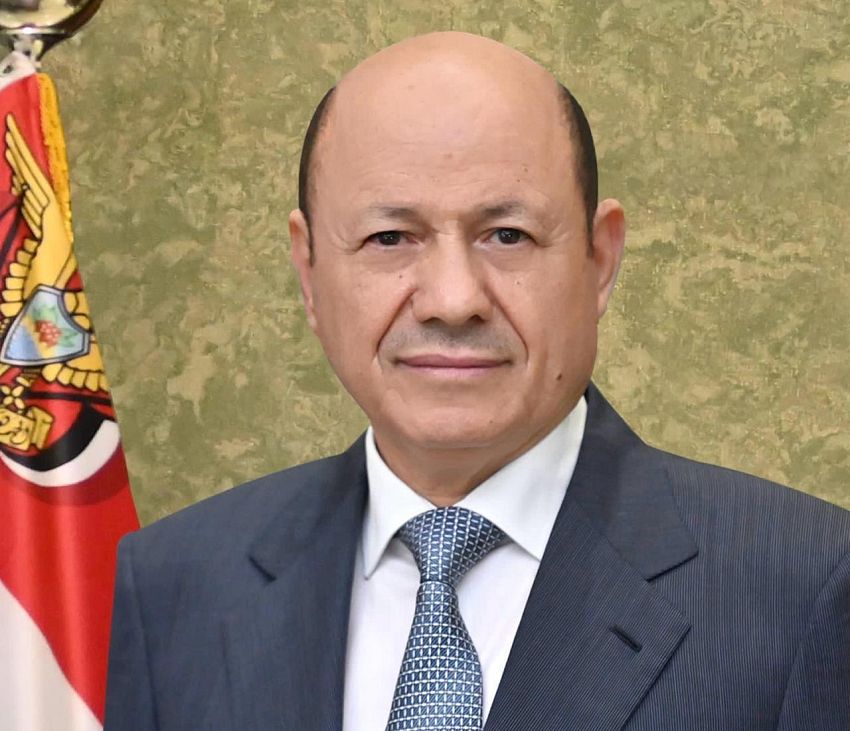
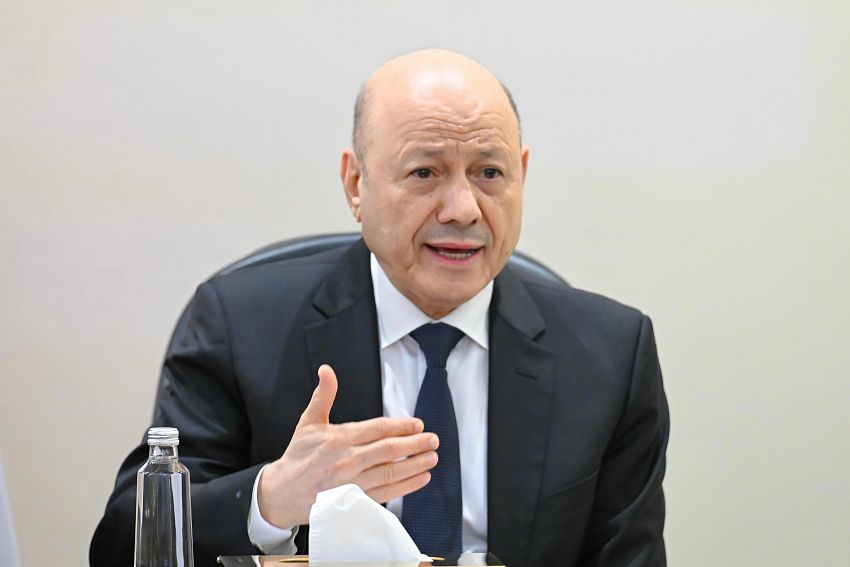
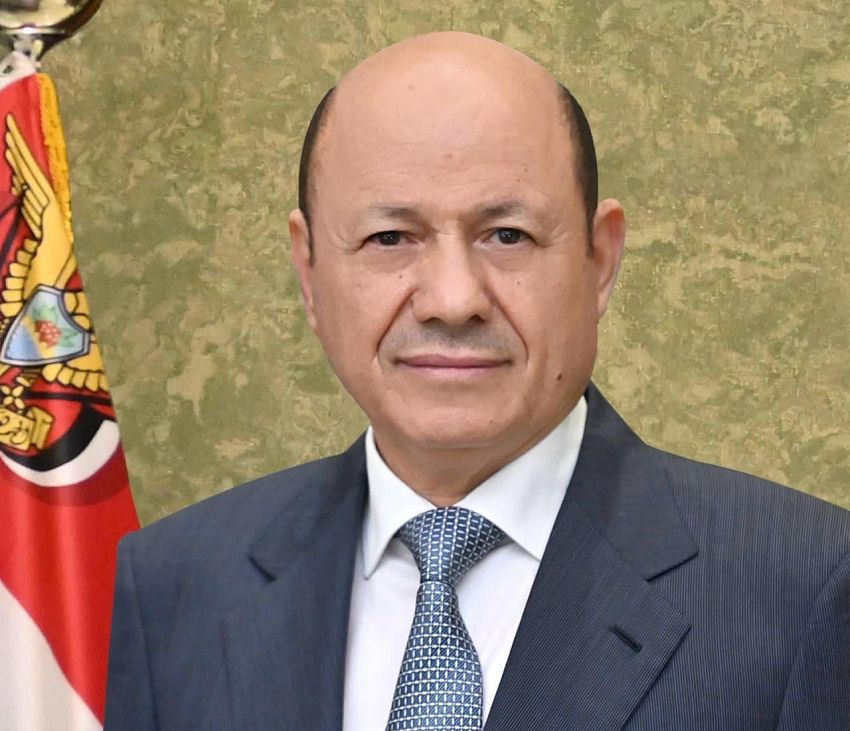
President Dr. Rashad Al-Alimi, President of the Presidential Leadership Council (PLC), renewed his call on the international community to reconsider its approach to the Yemeni crisis, which in previous stages focused on containing escalation without addressing its underlying causes.
He said experience had demonstrated that de-escalation efforts not accompanied by verifiable commitments, and which fail to prevent rearmament and the resumption of attacks, often become an opportunity to prepare for a new round of war.
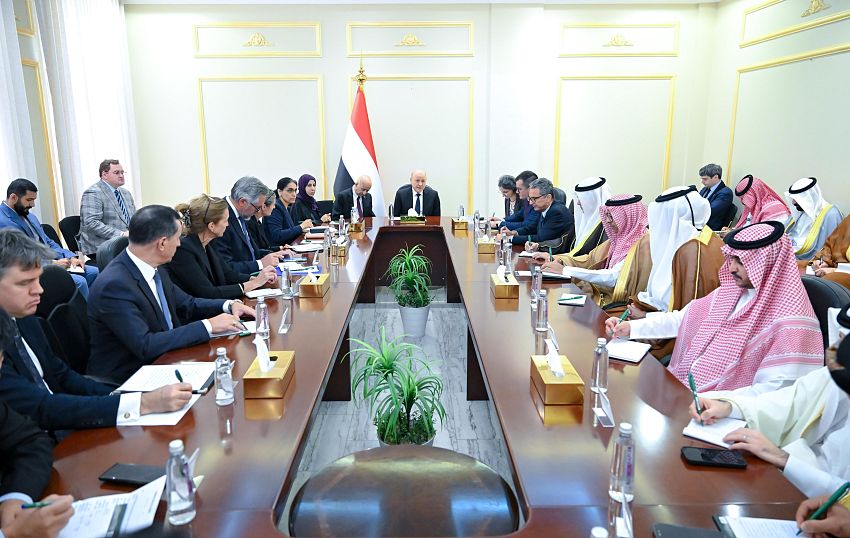
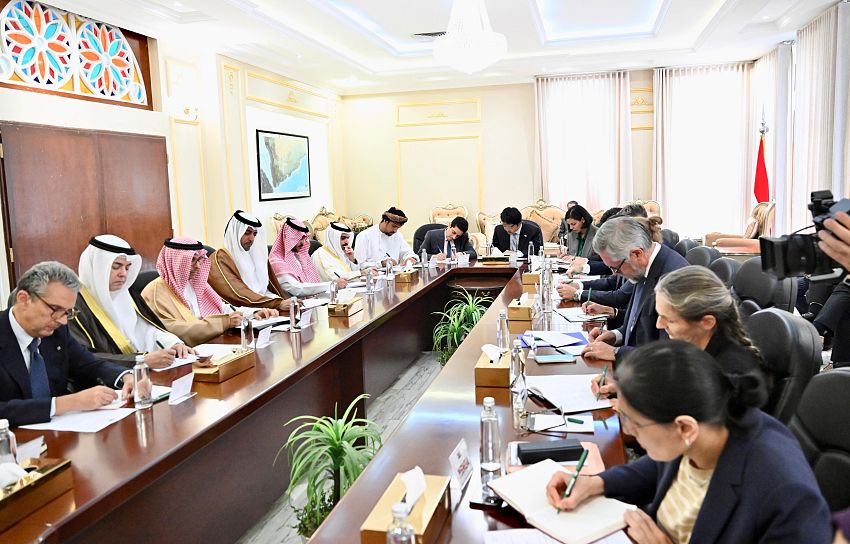
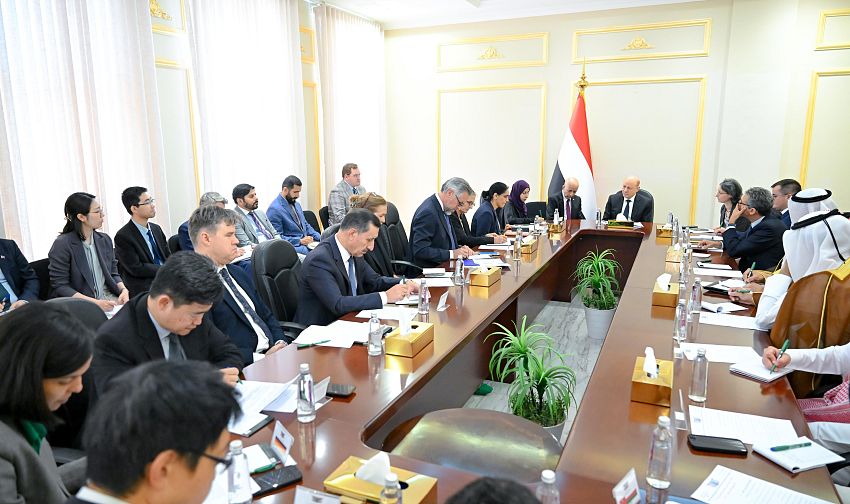
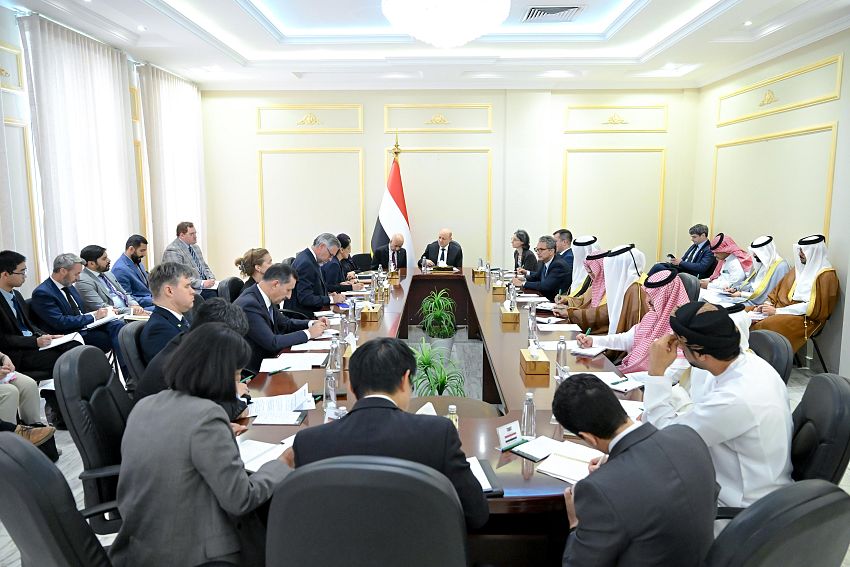
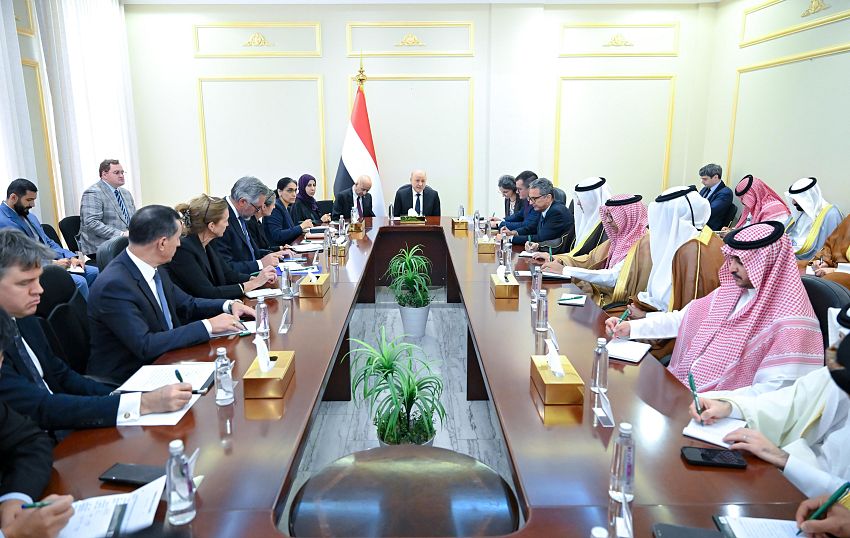
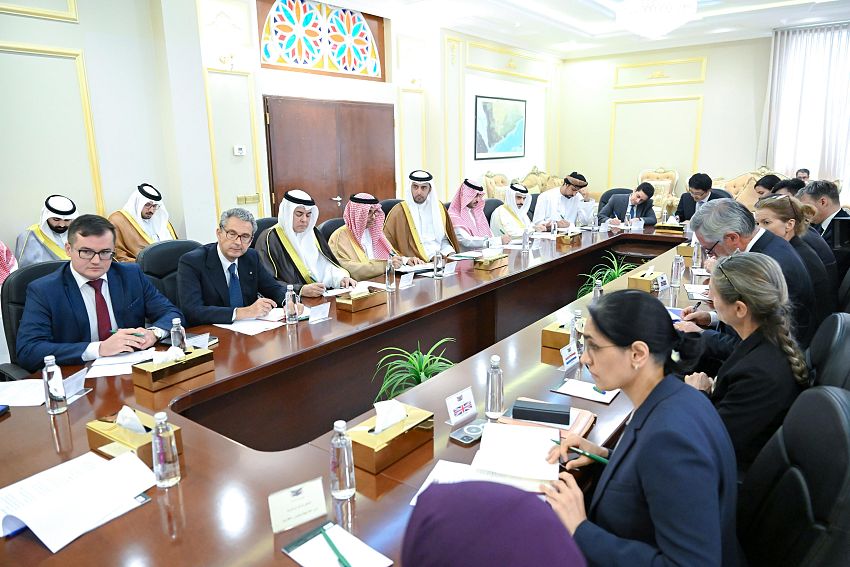
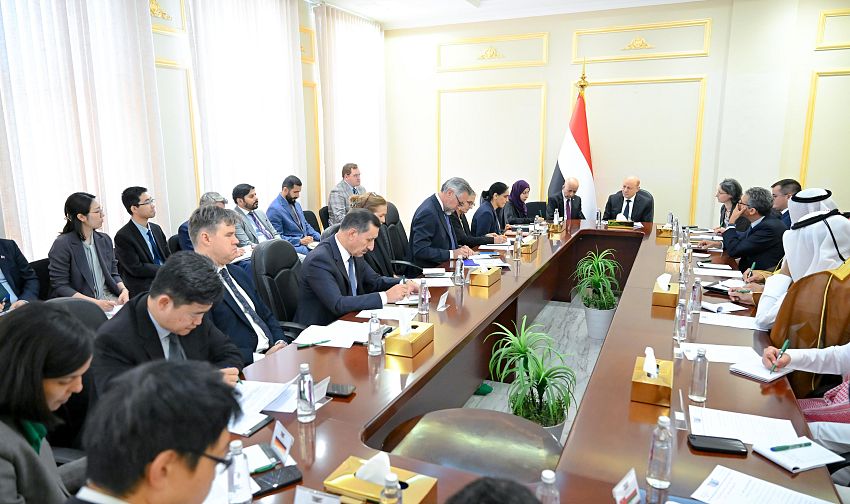
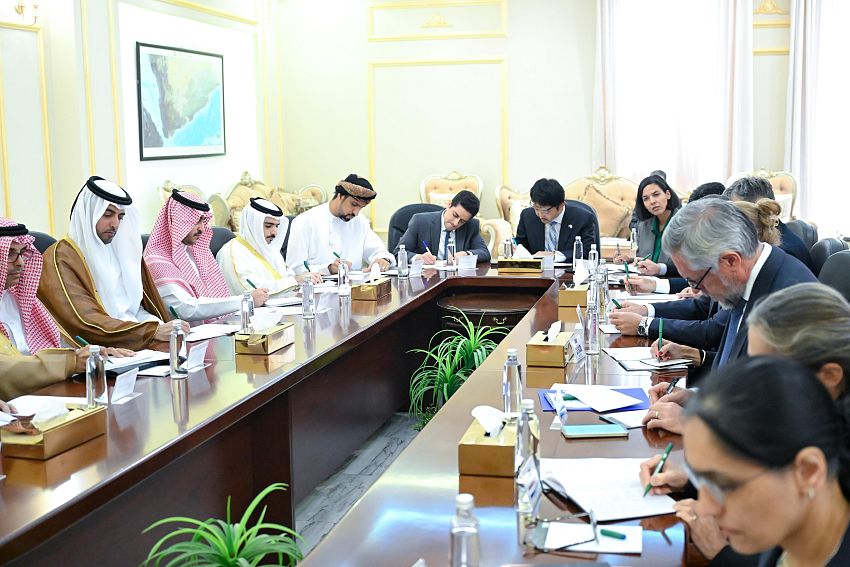
During a meeting today, Wednesday, with ambassadors of countries sponsoring the political process in Yemen, attended by Minister of Foreign Affairs and Expatriate Afrah Al-Zouba, President Al-Alimi stressed that escalation is a recurring behavior of the rogue militias whenever they perceive peace as a sign of weakness.
He stressed that calls for de-escalation must not lead to equating those who attack with those who defend their citizens. Nor should the state be asked to refrain from fulfilling its duties while militias continue to use force to impose a fait accompli.
President Al-Alimi recalled the government’s repeated warnings that continued leniency toward militia violations would lead to another round of war, displacement and humanitarian disasters, which, he said, is exactly what is happening now.
He explained that the government did not initiate this round of fighting and had not sought it, stressing that the Houthi militias has chosen escalation and must bear responsibility for its consequences and humanitarian and security repercussions.
“Therefore, we expect the international community to state clearly who initiated the escalation, hold the militias responsible for its consequences, and support the state’s right to protect its citizens and sovereignty in accordance with international law,” he added.
“We are not asking the international community to fight on behalf of Yemenis. Rather, we ask it to implement its resolutions and support the efforts of the Yemeni state to restore its institutions, place weapons and decisions of war and peace under its authority, and end the threat posed to Yemenis, the region and international shipping,” he said.
President Al-Alimi said that implementing relevant UN Security Council resolutions, foremost among them Resolutions 2140, 2216 and 2722, is not a Yemeni demand detached from the international will, but an existing obligation that should be implemented into effective implementation.
President Al-Alimi briefed the ambassadors of countries sponsoring the political process in Yemen on the latest developments on the national scene, particularly the escalation of Houthi militia terrorist attacks. He noted that the attacks have not been confined to Yemen but have extended to the territory of the brotherly Kingdom of Saudi Arabia, reflecting the militias’ continued use of blatant coercive tactics.
He noted that the current escalation clearly reflects the Houthis’ subordination to the Iranian agenda. He said the escalation began with attempts to operate unauthorized flights to Sana’a, as part of a broader escalation aimed ultimately at reaching Bab al-Mandab. The objective, he added, is to hold international shipping hostage in an effort to strengthen their sponsors’ negotiating leverage.
The President said the latest round of Houthi escalation had returned thousands of civilians to displacement after years of relative calm. Through horrific attacks launched by the militias against residential neighborhoods and displacement camps in Marib, as well as populated areas and civilian and service facilities in Taiz, Hodeidah and other governorates.
His Excellency affirmed that protecting civilians would remain at the heart of the state’s responsibilities. He stressed that the armed forces and government military formations are committed to international humanitarian law and the rules of engagement, the protection of civilian objects, the humane treatment of detainees and facilitating humanitarian access.
He also stressed that the battle is not against residents of areas under militia control, nor against any social or sectarian group, but against an armed project that undermines the state and deprives Yemenis of their right to peace, freedom and a normal life.
He said the state had repeatedly called on citizens in areas under militia control, as well as those who had been misled into joining the fighting, not to send their sons into the war and to put the national interest first.
President Al-Alimi praised the performance of the armed forces and all military formations, which, he said, had demonstrated their ability to repel Houthi attacks, regain the upper hand and protect citizens.
He stressed that continued Iranian military and technical support for the terrorist militias, along with the flow of weapons, expertise and technology to them, contributes to expanding the scope of the Houthi threat and undermines prospects for restoring state institutions through a peaceful solution.
“Supporting the Yemeni state in protecting its coastlines, ports and territorial waters and preventing arms smuggling is not solely a Yemeni concern. It is part of a shared responsibility for the security of the region and maritime corridors,” he said.
President Al-Alimi highly valued the generous and continued support provided by the brotherly Kingdom of Saudi Arabia, as well as its pivotal role in supporting economic and financial stability, paying salaries, improving services, and backing the reform and recovery program.
He affirmed the government’s commitment to maximizing the impact of this support, advancing reforms, combating corruption and enhancing transparency. He said these efforts would make the partnership with the Kingdom a model for restoring donor confidence and expanding international support for recovery and reconstruction.
He also renewed his assertion that the security of Yemen, Saudi Arabia and neighboring countries is interconnected. He stressed that the continued use of Yemeni territory to threaten regional and international interests would serve no genuine opportunity for peace.
During the meeting, the ambassadors of countries sponsoring the political process expressed their strong condemnation of the Houthi escalation and attacks targeting Yemen and the Kingdom of Saudi Arabia, including attacks on energy facilities and civilian objects. They also condemned the threats posed to the security of international navigation and trade.
They affirmed that these attacks pose a serious threat to the security and stability of Yemen and the region, increasing the risks of an expansion of the conflict and disruptions to energy supplies and global trade chains.
They stressed the need to halt the escalation and hold the Houthi militias responsible for its humanitarian consequences, including civilian casualties, displacement and additional suffering among the population.
The ambassadors also reiterated their countries’ support for the Presidential Leadership Council and the government, as well as Yemen’s unity, sovereignty and territorial integrity. They affirmed the Yemeni state’s legitimate right to protect its territory and citizens in accordance with international law and international humanitarian law.
PLC President: Houthi Militias has Chosen War and Must Bear Its Consequences
President Dr. Rashad Al-Alimi, President of the Presidential Leadership Council (PLC), renewed his call on the international community to reconsider its approach to the Yemeni crisis
Supreme Commander Hails Military Victories, Vows to Liberate All Territory and Defeat Militias
Sat ، 05 Sep 2026 09:22